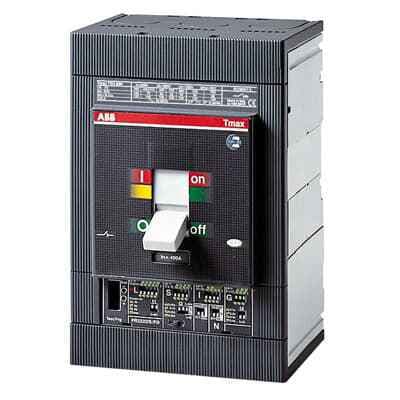
ABB T5N 400 DC TMA 320 FF 4P: High-reliability circuit breaker for DC applications, featuring a rated current of 320 A and thermomagnetic release for safe operation.
Product ModelT5N400 DC TMA320 FF 4P
Material Number2TFB100293R1001
Product ID92150
Stock on Request
Last updated: 9/6/2026
Key Features
1
Feature1. High Reliability and Performance The ABB T5N 400 DC TMA 320 FF 4P circuit breaker is engineered to provide exceptional reliability and performance in DC applications. Its robust design ensures consistent operation under various conditions.
2
Feature2. Thermomagnetic Release (TMA) Equipped with a thermomagnetic release, this circuit breaker offers a reliable and efficient mechanism for interrupting short circuits. The TMA ensures safe and quick disconnection in case of an overload or fault.
3
Feature3. Rated Current of 320 A With a rated current of 320 A, this circuit breaker is suitable for a wide range of DC applications, including industrial and commercial settings. It can handle high currents while maintaining efficiency and safety.
4
Feature4. Mechanical Durability Designed to withstand rigorous mechanical stress, the ABB T5N 400 DC TMA 320 FF 4P circuit breaker has a mechanical durability of 20,000 cycles at 120 cycles per hour. This ensures long-lasting performance and minimal maintenance.
Technical Specifications
Detailed engineering parameters based on manufacturer documentation
Specifications may be subject to change without notice
Parameter
Value
Parameter
Value
Environmental Information
9AKK10103A1056 9AKK108467A6707
Product Main Type
SACE Tmax T
Product Name
Moulded Case Circuit Breaker
WEEE Category
Product Not in WEEE Scope
Manufacturer ID
2TFB100293R1001
5
Feature5. Compliance with IEC Standards The product adheres to IEC standards, ensuring it meets the highest safety and performance criteria. This compliance provides assurance that the circuit breaker operates within the bounds of international electrical safety regulations.
ABB T5N 400 DC TMA 320 FF 4P Circuit Breaker - High Reliability and Performance | INDPRT